How to Install Ringtones on Your Phone
Every ringtone in the Ringtone Barn archive is delivered as a standard audio file. Once you've downloaded one to your device, the steps to actually install it as a phone ringtone vary depending on your operating system. This guide covers the two big platforms — iOS and Android — plus a few common edge cases.
Before you start
You'll need three things: the Ringtone Barn audio file you want to use (downloaded via the “Download Ringtone” button on any ringtone page), a phone running a reasonably recent version of iOS or Android, and about five minutes. No third-party apps required, though there are a couple that simplify the process if you'd rather not use the built-in tools.
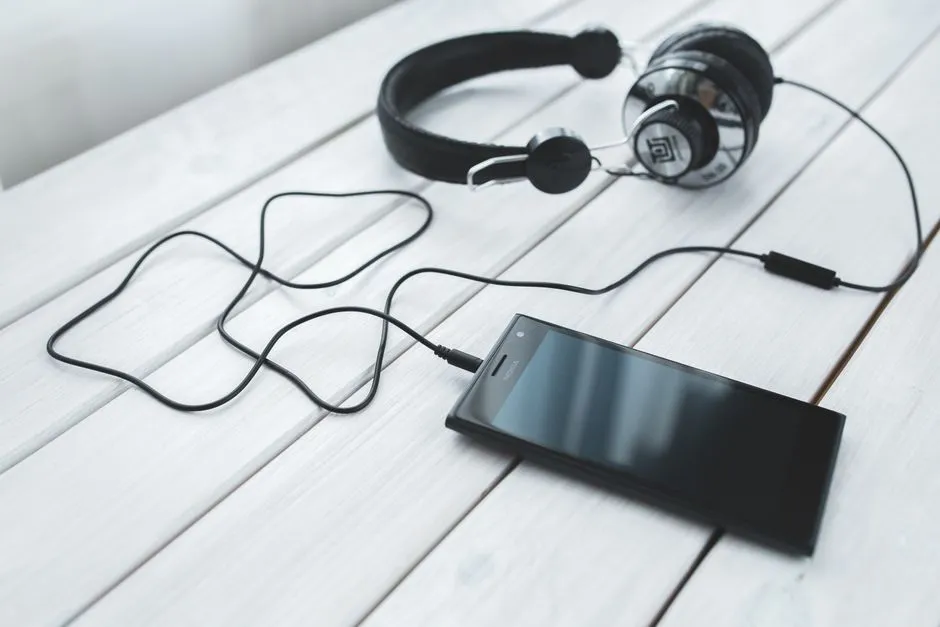
Installing a ringtone on iPhone (iOS 15 and later)
Apple makes you take a slightly indirect route, because iOS won't let you set arbitrary audio files as ringtones from the Files app alone. The cleanest path is via GarageBand, which Apple distributes for free.
- Download GarageBand. If it's not already installed, grab it from the App Store. It's free.
- Save the audio file. Tap the Download Ringtone button on the Ringtone Barn page; the file will save to the Files app, usually under On My iPhone → Downloads.
- Open GarageBand and create a new project. Choose the “Audio Recorder” or “Tracks” view, then switch to the multi-track timeline (the icon that looks like horizontal bars).
- Import the audio. Tap the loop icon (top right), choose the “Files” tab, and browse to the downloaded ringtone. Drag it onto an empty track.
- Trim it to under 30 seconds. iOS ringtones can't exceed 30 seconds. Use the trim handles to shorten the clip if needed.
- Export as a ringtone. Tap the down arrow at the top, choose “My Songs,” then long-press your project and select “Share → Ringtone.” Give it a name, then choose “Use sound as → Standard Ringtone.”
- Assign it. Open Settings → Sounds & Haptics → Ringtone, and your new tone will be at the top of the list.
Installing a ringtone on Android (Android 11 and later)
Android is much more direct. There's no GarageBand-style intermediary; you can simply copy the file into the right folder and the system will pick it up.
- Download the file. Tap Download Ringtone on the Ringtone Barn page; it will save to your device's Downloads folder.
- Open your file manager. Most Android phones ship with one called “Files” or “My Files.”
- Move the file into the Ringtones folder. Long-press the downloaded MP3, choose “Move,” and select
Internal storage → Ringtones. Create the folder if it doesn't exist. - Set it as your ringtone. Open Settings → Sound & Vibration → Phone Ringtone (the exact menu name varies by manufacturer). Your new tone will appear in the list.
On many Android skins, you can skip the move-to-folder step by long-pressing the file and choosing “Set as ringtone” directly. The folder approach is just more reliable across vendors.
Setting a custom ringtone for a specific contact
Both platforms let you assign a unique ringtone to individual contacts — useful if you'd like the Mission: Impossible theme to play only when your boss calls.
- iOS: Open the Contacts app, select the contact, tap “Edit,” then choose “Ringtone.”
- Android: Open the Contacts app, select the contact, tap the three-dot menu, and choose “Set ringtone.”
Common problems
The ringtone doesn't appear in Settings. On iOS, this almost always means the file wasn't exported through GarageBand — saving it to Files alone isn't enough. On Android, double-check that the file lives in the Ringtones folder rather than Downloads or Music.
The ringtone is too quiet. Some public-domain recordings were mastered at lower volumes than modern releases. You can boost the gain in GarageBand (iOS) or in any free audio editor like Audacity (desktop) before transferring.
The ringtone is too long. iOS hard-caps ringtone duration at 30 seconds; longer files won't be selectable. Trim them in GarageBand or use an online MP3 cutter.
Notification tones and alarms
The same files work as notification tones (text messages, app alerts) and alarm sounds. On Android, drop them into the Notifications or Alarms folder respectively. On iOS, GarageBand can export to either category from the same share sheet.